
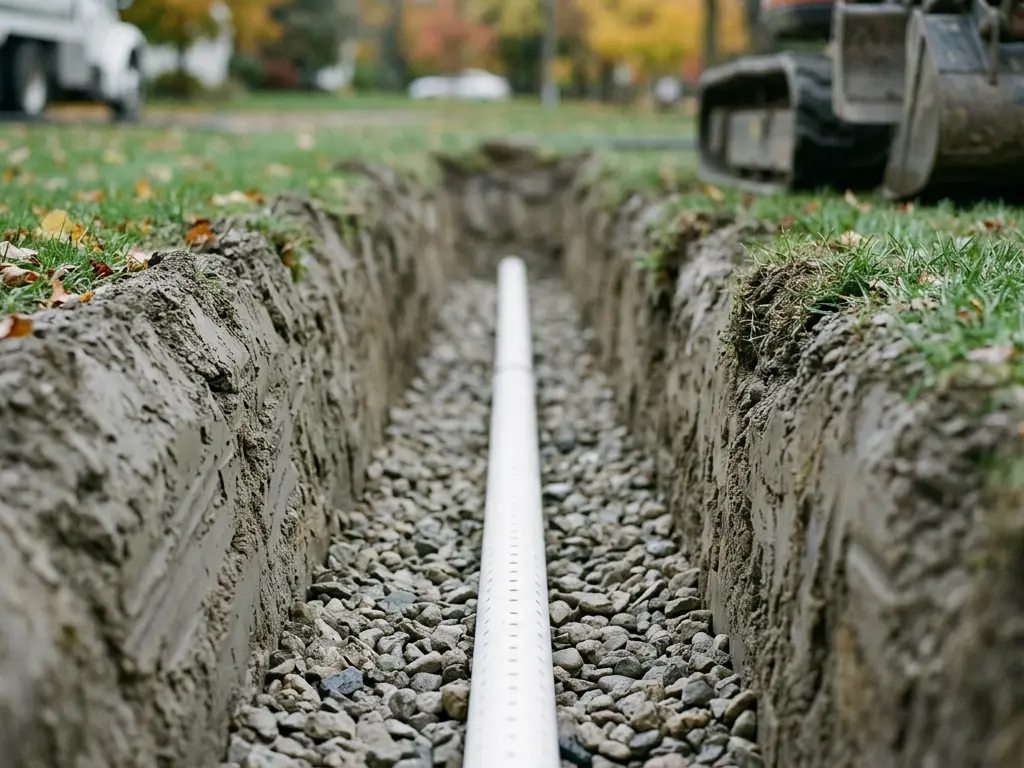
New absorption fields for Onondaga County lots
Syracuse Septic Pros Leach Field Replacement in Syracuse
When the soil under the old trenches has given up, a new field in the right place, built to the state standard.
- Syracuse and ten towns within 20 miles
- Written price before any digging
- Licensed, insured local contractors
- Built around Onondaga County soils
Syracuse Septic Pros connects homeowners in Syracuse and the surrounding towns with local excavators and design professionals who replace failed leach fields. A new field is the biggest single septic cost most households ever face, and the difference between a field that lasts decades and one that fails in a few years is almost always decided before anyone digs: where it goes, what the soil will take, and how it is designed.
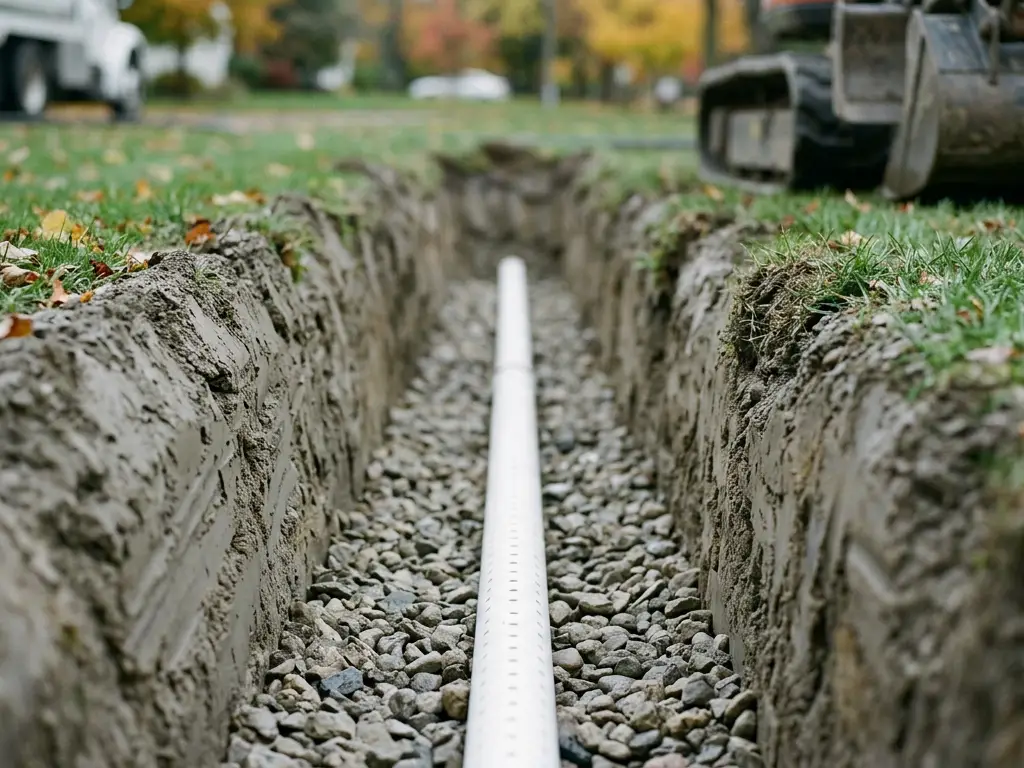
Rebuilding a failed field in the same wet spot with the same trenches saves a few thousand dollars up front and can mean paying $8,000 to $15,000 twice, while a field sited and sized for the soil is a once-in-a-generation $15,000.
$8,000 to $15,000 for a conventional field
Leach field replacement around Syracuse typically costs $8,000 to $15,000 for a conventional trench system, the range a Syracuse excavator publishes for a conventional field or full conventional replacement. Sites that need a raised system or an engineered design cost more, from about $15,000 to $25,000 for a raised or mound system. Design, perc testing and the county permit are part of the job and part of the price.
Get a price: (315) 922-5458When the field needs replacing, not repairing
- Effluent surfaces over the trenches even after the tank is pumped
- The tank refills from the field within hours of pumping
- Repairs to lines and the distribution box have already been tried
- Solids have been flushed into the trenches for years by a broken baffle
- The field sits in a spot that floods every spring
Why a new field needs a design professional
New York's guidance is specific here. Replacing a component like for like may not need a licensed design professional, but relocating or extending an absorption area, building a new subsurface system at the same location, or using a raised system, mound or sand filter does. In practice almost every field replacement around Syracuse involves a NYS licensed professional engineer or architect, and the county reviews the design.
That design is not paperwork. It starts with test holes and percolation tests that decide what the site will accept. Under Appendix 75-A a conventional field needs at least four feet of useable soil above rock, unsuitable soil or seasonal high groundwater, soil that percolates between one and sixty minutes per inch, and slopes under fifteen percent.
What the soil around Syracuse usually says
Sampled across the ten towns in this service area, USDA's rating for septic absorption fields comes back "very limited" at most points. That rating is for conventional trenches and it means a soil feature needs special design, not that a system is impossible. The features vary by town: a saturated zone near the surface on the lake-plain silts of Clay and Cicero, slow water movement in the till of Van Buren and Camillus, shallow bedrock and seepage in parts of Manlius.
Each one points to a different answer. A high water table usually means lifting the field out of it, which is what a raised or mound system does. Slow soil means a larger absorption area. Bedrock can mean a shallow trench design or fill.
Not sure what the system needs? Describe what you are seeing and get a straight answer on what it usually takes.
Call (315) 922-5458The replacement, step by step
- Site evaluation, deep test holes and percolation tests
- A design by a NYS licensed professional engineer or architect, submitted for county review
- Excavation of the new absorption area, often in a different part of the yard from the old one
- New distribution box and lines, set level and to the designed grade
- County inspection before backfill, then final grading and seeding
- The old field abandoned in place unless the design says otherwise
New York asks for an extra fifty percent of useable area to be set aside for a future replacement wherever possible, so a good design also protects the next owner.
Grants that can cut the cost
Some properties qualify for the State Septic System Replacement Fund, which can reimburse up to half of eligible costs, to a maximum of $10,000. In Onondaga County it is limited to homes within 250 feet of specific waterbodies, including the Seneca River between the Cross Lake outlet and Klein Island and Jamesville Reservoir. The details are on the replacement grant guide.
Sewage on the lawn and a sale or a winter coming
A replacement takes design, review and dry enough ground to dig. Call early. A pump-out can buy time while the design moves, and knowing the timeline changes what you do this month.
Call (315) 922-5458Questions people ask
How much does a new leach field cost in Syracuse?
A conventional field typically runs $8,000 to $15,000. Raised or mound systems run about $15,000 to $25,000.
Do I need an engineer to replace a leach field in New York?
Usually yes. Relocating or rebuilding an absorption area, or using a raised, mound or sand filter system, requires a NYS licensed design professional.
What are the signs a leach field needs replacing?
Surfacing effluent after pumping, the tank refilling from the field, repeated backups after repairs, and a field sitting in seasonal standing water.
Can a new leach field go in the same place?
Sometimes, if the soil there still meets the standard. A new system in the same location still needs a design professional.
How long does leach field replacement take?
The digging is usually days. Testing, design and county review take longer, and frozen ground can delay the start.
Is there help paying for a leach field in Onondaga County?
Homes within 250 feet of listed waterbodies may qualify for the state fund, up to 50% of eligible costs to $10,000.
Often done together
-
Mound and raised systems
Lifting the absorption field above ground that cannot treat wastewater on its own, built in fill that has to be placed and tested properly.
-
Perc tests and soil testing
Measuring how fast water moves through the soil and how deep the good soil goes, before anything is designed.
-
Septic system replacement
Tank, distribution box and absorption field replaced together when the old system is past saving.
Talk it through before anyone digs
Say what the house is doing, how old the system is and when the tank was last pumped. You will hear what the job usually involves, what it tends to cost, and whether it needs digging at all.
Call (315) 922-5458