Syracuse Septic Pros: Septic Pumping Cost in Syracuse, NY
Syracuse Septic Pros publishes this cost guide because the price of septic work is the question homeowners around Syracuse ask most and the one local companies answer least. Every range below is a typical range, not a quote, and each one says where it comes from.
Where These Numbers Come From
Very few Syracuse septic companies publish prices. Two local businesses do. Backwell, an excavation company in Syracuse, publishes a 2026 cost guide for septic installation and replacement in Central New York. Watkins Environmental Sciences, a Central New York engineering firm, publishes its prices for dye tests, perc tests and septic design. Where neither covers a job, the range comes from published cost directories and guides, and the table says so. Neither business is linked from this site.
Routine Work: Pumping, Inspections and Tests
The cheapest visits a system gets.
| Job | Typical range | What the range covers | Where it comes from |
|---|---|---|---|
| Septic tank pumping | $325 to $600 | A standard 1,000 to 1,250 gallon tank | Directory surveys; Onondaga County pump-outs at $325 to $500 |
| Septic inspection | $375 to $1,075 | $375 to $575 visual; $675 to $1,075 with a camera and written report | Directory figures for Syracuse |
| Septic dye test | $225 to $425 | $225 for a dye test alone; $425 with a water and flow test | Watkins Environmental Sciences |
| Well and septic inspection | $225 to $425 | $225 for a water sample or septic test alone; $425 for both with a flow test | Watkins Environmental Sciences |
| Septic tank risers and locating | $300 to $900 | One standard riser installed; locating a tank with no records adds time | SepticTankHub at the low end; Backwell, locally, at the top |
Pumping moves with tank size, buried lids and long hose runs; inspections move with scope, from a visual check to a camera through the lines with a written report.
Repairs
Most repairs keep solids or excess water out of the leach field, which is why they are worth doing early.
| Job | Typical range | What the range covers | Where it comes from |
|---|---|---|---|
| General septic repair | $200 to $2,500 | A baffle during a pump-out at $200 to $400; lines, lids and pumps higher | Directory figures; Backwell cites a typical repair at about $1,500 |
| Septic backup | $325 to $1,500 | A pump-out at the low end; line clearing and baffle or outlet repairs above it | Pump-out floor plus directory repair figures |
| Alarm and pump repair | $400 to $2,500 | A float or alarm fault at the low end; harder pump jobs at the top | Published pump and alarm guides |
| Septic pump installation | $1,200 to $2,500 | An effluent pump replaced, installed | Backwell |
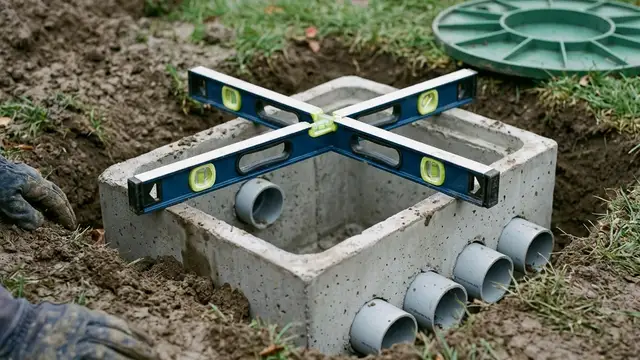
| Distribution box | $500 to $1,500 | The box itself is $150 to $400; digging, reconnecting and leveling are the rest | Directory figures; Backwell for the box |
| Leach field repair | $1,000 to $5,000 | Fields that can still be saved: crushed lines, rebalancing, diverting surface water | HomeGuide, 2026 |
Replacement and New Systems
Replacement is where Syracuse prices spread furthest, because the soil decides what can be built.
| Job | Typical range | What the range covers | Where it comes from |
|---|---|---|---|
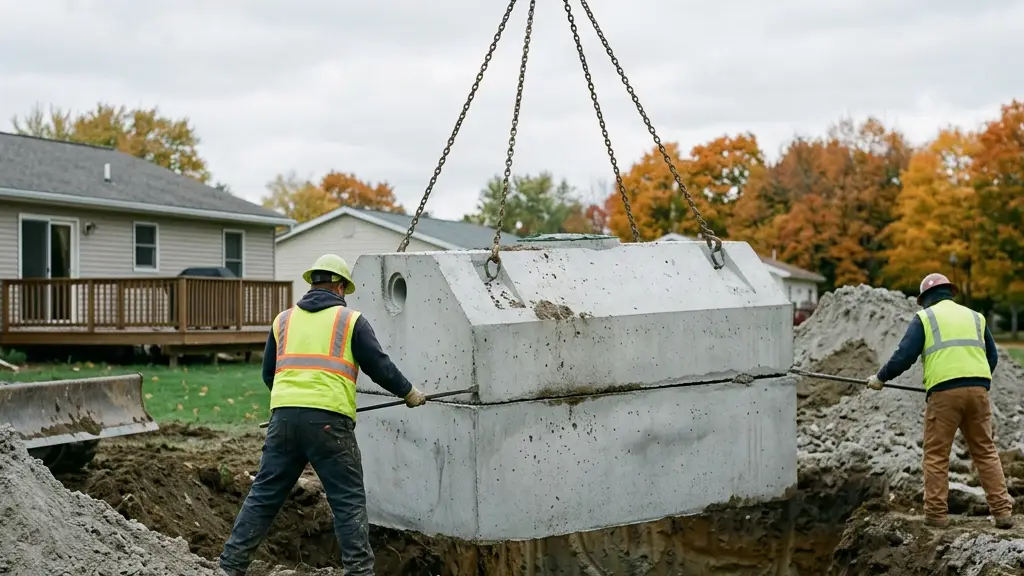
| Septic tank replacement | $3,000 to $6,000 | A tank replaced where the field still works; a 1,000 to 1,500 gallon concrete tank is $1,200 to $2,500 delivered and set | Backwell |
| Leach field replacement | $8,000 to $15,000 | A conventional field, or a full conventional system | Backwell |
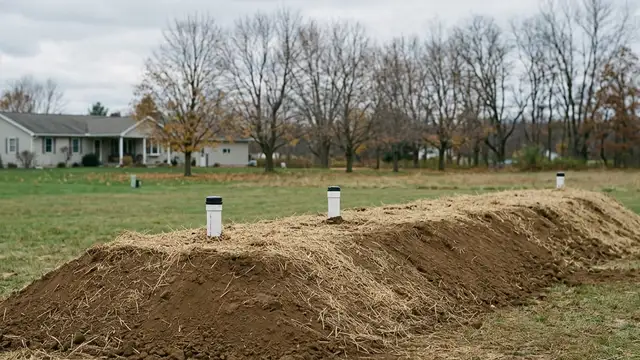
| Raised or mound system | $15,000 to $25,000 | High water table, shallow bedrock and poor perc sites; engineered mound replacements at $22,000 to $28,000 | Backwell |
| Full system replacement | $8,000 to $28,000 | From a conventional replacement to an engineered mound | Backwell's replacement page |
| New system installation | $8,000 to $35,000 | Conventional gravity systems at $8,000 to $15,000; engineered systems at $20,000 to $35,000 | Backwell |
| Perc test | $395 to $1,000 | $395 for a perc test with site evaluation; $400 to $1,000 elsewhere | Watkins; Backwell |
| Septic system design | $1,500 to $5,000 | Design by a licensed engineer or architect for a new or replacement system | Watkins at $1,500 to $2,500; Backwell at $2,000 to $5,000 |
Have a quote in hand, or a job that needs one? Describe the system, the soil and what the yard is doing, and ask where the job sits in these ranges.
Call (315) 922-5458
Call (315) 922-5458What Moves a Job Up Its Range
Around Syracuse, the soil is the biggest single factor in any replacement price.
- Groundwater close to the surface, common on the lake plain north of the city, which pushes a design to a raised system
- Slow-draining till or shallow bedrock south of the city, which enlarges the field or requires fill
- Access: buried lids, long hose runs, tight yards and trees
- Design and review: new systems and most replacements need a NYS licensed design professional
- Season: frozen ground in winter, and fill that must stabilize through a freeze and thaw
The soil differences town by town are on the local pages, such as Clay on the lake plain, and the soils by town table puts the USDA ratings for all ten towns side by side.
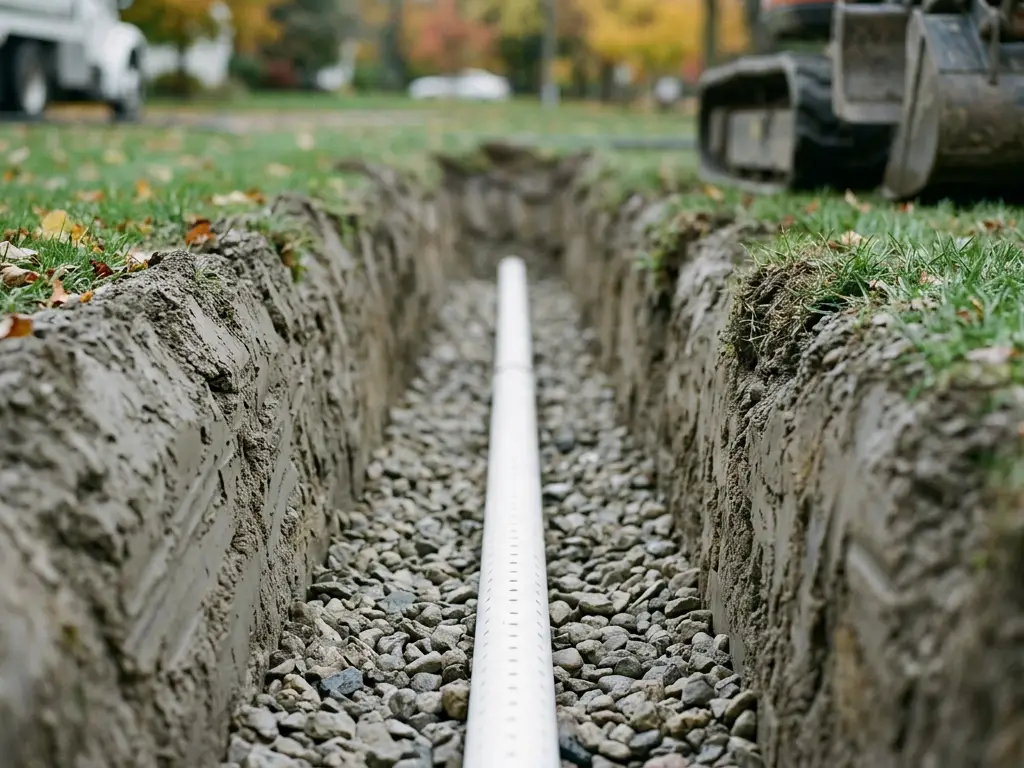
Costs That Are Easy to Forget
A few items rarely appear in a headline price. Design by a licensed engineer or architect, typically $1,500 to $5,000, is required for most replacements in New York. Perc tests and deep holes come before the design. The county permit has its own fee; Oswego County, for example, charges $125 to review plans for an individual system. Removing or abandoning an old tank, restoring the lawn, and moving a fence or a shed that sits over the new field all add to the total. Ask whether each is included.
Reading a Quote Against These Ranges
A quote above the range is not automatically too high, and one below it is not automatically a bargain. What matters is whether the quote explains itself. A replacement quote should say what kind of system is being built, who designed it, whether the county permit and the perc tests are included, how the old tank will be handled, and what happens if the crew hits rock or water.
For repairs, the useful question is what was found. A good quote for a backup names the cause, a broken outlet baffle, a crushed line, a full tank, rather than simply "septic repair". If two quotes are far apart, ask each company what it thinks the problem is.
Help Paying for a Replacement
Some homes near listed waterbodies qualify for the State Septic System Replacement Fund, which reimburses up to 50 percent of eligible costs to $10,000. In Onondaga County, DEC's list includes Skaneateles Lake, Otisco Lake, Jamesville Reservoir and Upper Rush Creek, for properties within 250 feet; Seneca River owners should confirm with the county. The grant guide explains who qualifies. Routine pumping is not covered.
Whatever the job, ask for a written price before work starts, and ask what would change it. The ranges here are a way to judge a quote, not a substitute for one. For a full replacement, see septic system replacement; for the routine visit that prevents most of it, see septic tank pumping.
Sources
- NYSDOH, 10 NYCRR Appendix 75-A, Wastewater Treatment Standards: Residential Onsite Systems: the state standard behind tank sizes, separation distances and the useable-soil rule that sends lots to raised systems
- Onondaga County Health Department, Septic Systems: the county's repair application, Fill Certification Form and the state fact sheet on licensed design professionals
- Onondaga County, Septic System Replacement Funding Program: the 250-foot waterbody list that decides grant eligibility in the county
- NYS Department of Environmental Conservation, State Septic System Replacement Fund Program: how the state fund works through participating counties
Need septic work in the Syracuse area?
Hire licensed, insured local contractors, and ask for a written price before any digging starts.