Syracuse Septic Pros: Frozen Septic Systems in Syracuse
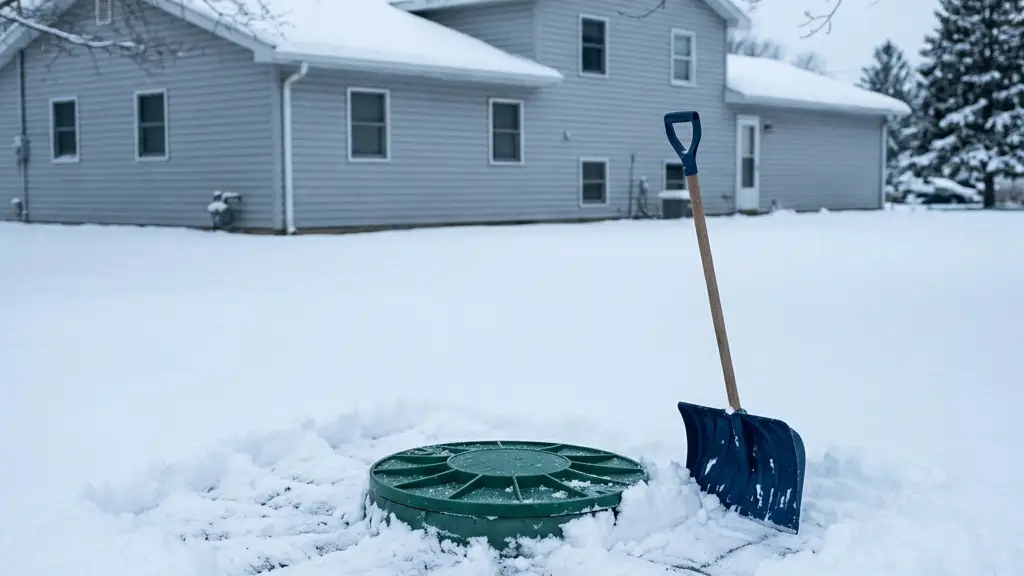
Syracuse Septic Pros put this guide together for homeowners around Syracuse facing a frozen septic line or tank, or hoping never to. Snow is usually a septic system's friend here. The freezes that university extension programs describe tend to start with bare or packed ground, a slow trickle of water, or a house left empty.
What a Syracuse Winter Puts on a System
NOAA's 1991 to 2020 climate normals for Syracuse Hancock International Airport put annual snowfall at 127.8 inches, with 94.9 of it falling from December through February. November averages 9.8 inches and April 3.0.
| Month | Normal snowfall | Normal daily low |
|---|---|---|
| December | 30.6 inches | 23.7°F |
| January | 34.0 inches | 16.5°F |
| February | 30.3 inches | 17.5°F |
| March | 19.8 inches | 25.2°F |
All that snow is insulation: North Dakota State University Extension puts ten inches of fresh snow at roughly R-18. The risk comes when the cover is thin, packed or missing, or the system stops getting warm water. The University of Nebraska-Lincoln notes that the bacteria in a system nearly stop working around 39 degrees.
The Four Places a System Freezes
The University of Minnesota's onsite sewage program names four spots, and which one froze shapes the fix.
- The pipe from the house to the tank. NDSU singles out the stretch where it leaves the basement wall.
- The septic tank, or the pump tank on a system with an effluent pump.
- The pipe from the tank to the field, including the distribution box.
- The leach field itself, especially one that was waterlogged going into winter.

Why Systems Freeze
Most causes on the extension programs' lists strip away insulation or stop the warm water:
- Hard cold with little snow on the ground
- Snow packed down by cars, snowmobiles or foot traffic over the tank, pipes or field
- A new system with no grass grown in over it yet
- A house left empty for a week or more
- A slow trickle from a leaking toilet or faucet, or from a high-efficiency furnace's drain
- A sagging pipe that holds water
- An open, broken or uncapped riser that lets cold air into the tank
- A field that was waterlogged in the autumn
Seasonal camps on the Oneida Lake shore in Cicero carry the empty-house risk every winter. A loose lid is the easiest cause to fix: a sealed, insulated septic tank riser keeps cold air out of the tank and the opening findable under the snow.
Signs the System Has Frozen
A frozen line or tank stops accepting water, so the signs show up inside the house before anything shows in the yard.
- Every drain in the house slows at once, then stops
- Water backs up into the lowest drain, often a basement floor drain or shower
- A septic alarm goes off on a system with a pump chamber
- The pump tank sounds like water running all the time
One slow fixture usually means a blockage in the house plumbing, not a frozen system. Drains that stop everywhere at once, with sewage rising in the basement, are the ones to treat as a septic backup.
What Not to Do With a Frozen System
The University of Minnesota program is blunt about the home remedies. Do not pour antifreeze, salt or additives into the system. Do not light a fire over the tank or field. Do not run water continually to try to thaw a line. And do not pump sewage out onto the ground.
If the pump tank sounds like it is running all the time, shut the pump off and call a professional. Where a line or field cannot be thawed until spring, the same program describes using the tank as a holding tank and having it pumped regularly until the thaw.
Frozen line, a tank that will not take water, or an alarm in the snow? Say where the system stops and whether it has a pump, and ask what a thaw would involve. The price depends on the job and is quoted on the call.
Call (315) 922-5458
Call (315) 922-5458What a Thaw and a Winter Pump-Out Cost
No published local source prices a thaw, so this guide does not invent one.
| Job | Typical range | What moves it | Where it comes from |
|---|---|---|---|
| Thawing a frozen line, tank or field | Quoted on the call | Where it froze, its depth and access | No published local figure |
| Winter pump-out | $325 to $600 | Tank size, plus digging through snow and frozen ground to the lid | Directory surveys; Onondaga County pump-outs at $325 to $500 |
| Septic tank riser | $300 to $900 per riser installed | Tank depth and how many openings | SepticTankHub (low end); Backwell (local high end) |
Getting Ready Before the Ground Freezes
Prevention happens in October and November, not after the first hard freeze.
- Spread 8 to 12 inches of straw, leaves or hay over the pipes, tank and field before winter
- Leave the grass over the field a little longer in the last mowings of autumn
- Keep cars, plows and snowmobiles off the tank, pipes and field all winter
- Fix leaking toilets and faucets before the cold sets in
- Check that every riser lid is in place, sealed and insulated, especially on a new system
- If the house will be empty, ask someone to stop by and run water regularly
If the tank is due for a pump-out in the next few months, an autumn visit before the ground freezes avoids digging a lid out of snow later.
How New York's Rules Guard Against Frost
Appendix 75-A builds some frost protection into every new system. Septic tanks must be made of material not subject to frost damage. Distribution boxes sit on at least 12 inches of sand or pea gravel to limit frost action, and a deeper box gets an extension collar to within 12 inches of the surface. Sitting that shallow is why frost heave can tip a box and lead to distribution box replacement.
On raised and mound systems, Onondaga County's Fill Certification Form requires onsite or general fill to stabilize for six months, including a freeze and thaw, unless imported sand is compacted in thin lifts. For a mound septic system, that makes winter part of the schedule.
For the autumn visit that heads off a winter problem, see septic tank pumping; for a lid that stays sealed and findable, septic tank risers; and for a pump or alarm that fails in the cold, septic alarm and pump repair.
Sources
- NOAA NCEI, U.S. Climate Normals 1991 to 2020, Syracuse Hancock International Airport: annual, winter and monthly snowfall normals and normal daily lows for the Syracuse airport station
- NYSDOH, 10 NYCRR Appendix 75-A (full text, PDF): tanks of material not subject to frost damage; distribution boxes on sand or pea gravel to limit frost action
- Onondaga County Health Department, Fill Certification Form: six months of stabilization, including a freeze and thaw, for onsite or general fill under a raised system
- NYSDOH, Septic System Operation and Maintenance: the state's two to three year pumping interval and the advice to maintain effluent pumps and alarms
Need septic work in the Syracuse area?
Hire licensed, insured local contractors, and ask for a written price before any digging starts.