Syracuse Septic Pros: Signs Your Leach Field Is Failing in Syracuse
Syracuse Septic Pros is a referral website for septic work in Syracuse and the towns around it, and this guide is about the one part of a septic system that cannot be pumped back to health: the leach field. A tank problem usually ends with a truck in the driveway. A field problem ends with a shovel, a design or both, so it pays to know which one you have.
Where the Tank Ends and the Field Begins
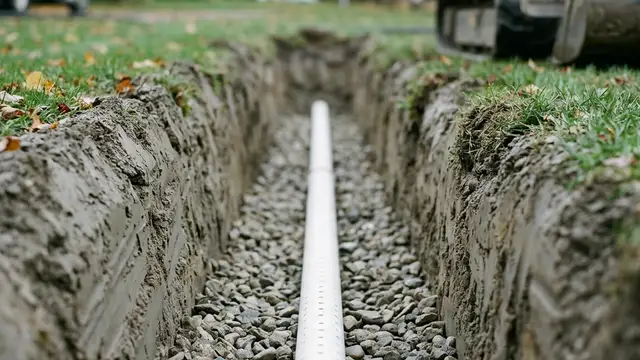
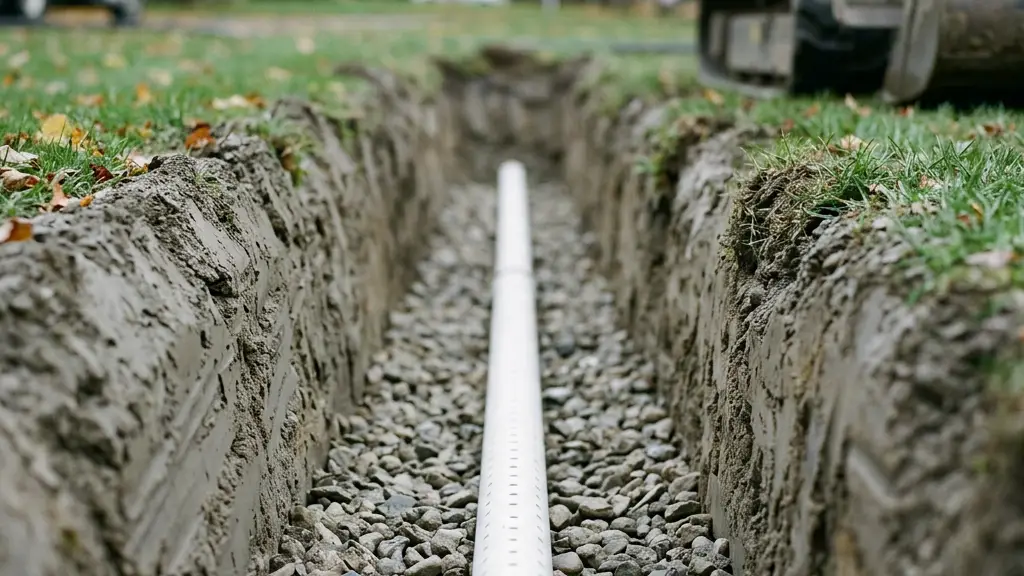
The tank separates: solids settle as sludge, grease floats as scum, and the clearer liquid leaves through the outlet baffle for a distribution box and perforated pipes in gravel trenches. EPA describes the field as unsaturated soil that finishes the treatment. That one condition, unsaturated, is the one that fails.
The general guide to signs your septic system is failing covers tank and plumbing too. This one follows the water past the outlet baffle.
What a Failing Field Looks Like From the Lawn
EPA lists these as drainfield failure signs. Most appear over the trenches themselves.
- Ground over the trenches that stays soft or spongy with no real rain, which EPA calls a good indication of failure
- Standing water or damp patches over the field
- Bright green, lush grass over the field during a dry spell
- A sewage smell over the field on a still afternoon
- Algae blooms in a pond or ditch downhill of the system
- A household well testing positive for nitrate or coliform bacteria
On a sloping lot the wet patch may sit at the toe of the slope rather than on top of the pipes. If nobody knows where the field runs, the tank locating page explains how it is found.
Indoor Symptoms That Point Past the Tank
Slow drains, gurgling and a backup in the lowest fixture are shared by a full tank and a failing field. EPA notes that an overloaded field can flood and push sewage back into the house.
The useful test is time. A tank that was simply full behaves for months after a pump-out. A field that has stopped accepting water refills the tank to its outlet quickly, and the symptoms return within weeks, worst on laundry day or after a long rain.
Why Fields Give Out on Syracuse-Area Soils
EPA names the usual causes. Solids from a tank that is not pumped clog the trench bottoms. After 25 to 30 years the biomat where effluent meets soil can thicken until water ponds or surfaces. Extra water from a running toilet, sump pump or downspout does the rest, which is why Appendix 75-A, the state's residential standard, keeps roof, footing and cellar drainage out of the system.
The same standard requires two feet between the trench bottom and the highest groundwater, and four feet of useable soil for a conventional field. A USDA sampling of 25 points around each town rated most of the ground very limited for one:
- Clay: 24 of 25 points, depth to a saturated zone the reason at 22
- Hastings: all 25, mostly a saturated zone and seepage in the bottom layer
- Van Buren: 24 of 25, slow water movement at every one
A field on that ground can work for years and then fail each spring, when snowmelt lifts the water table into the trenches. The soils by town table covers all ten towns.
Tests That Confirm the Field Is the Problem
Nobody should replace a field on the strength of green grass. These checks narrow it down, cheapest first.
| Check | What it shows | Typical range |
|---|---|---|
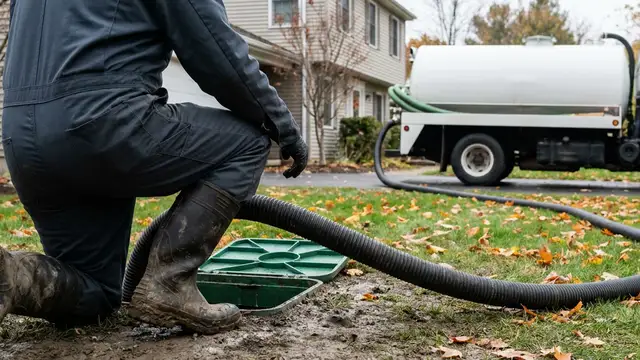
| Pump-out with the lid off | Water running back from the field into the empty tank; a broken outlet baffle | $325 to $600 |
| Distribution box opened | Solids in the box, or a tilt feeding one line | $500 to $1,500 to replace |
| Septic inspection with a camera | Crushed or root-filled lines | $675 to $1,075 |
| Dye test | Dyed water surfacing over the field | $225 to $425 |
| Perc test and deep hole | Whether the ground can take a new field | $395 to $1,000 |
Be home for the pump-out and ask what was found in the tank and the box.
Saving the Field or Building a New One
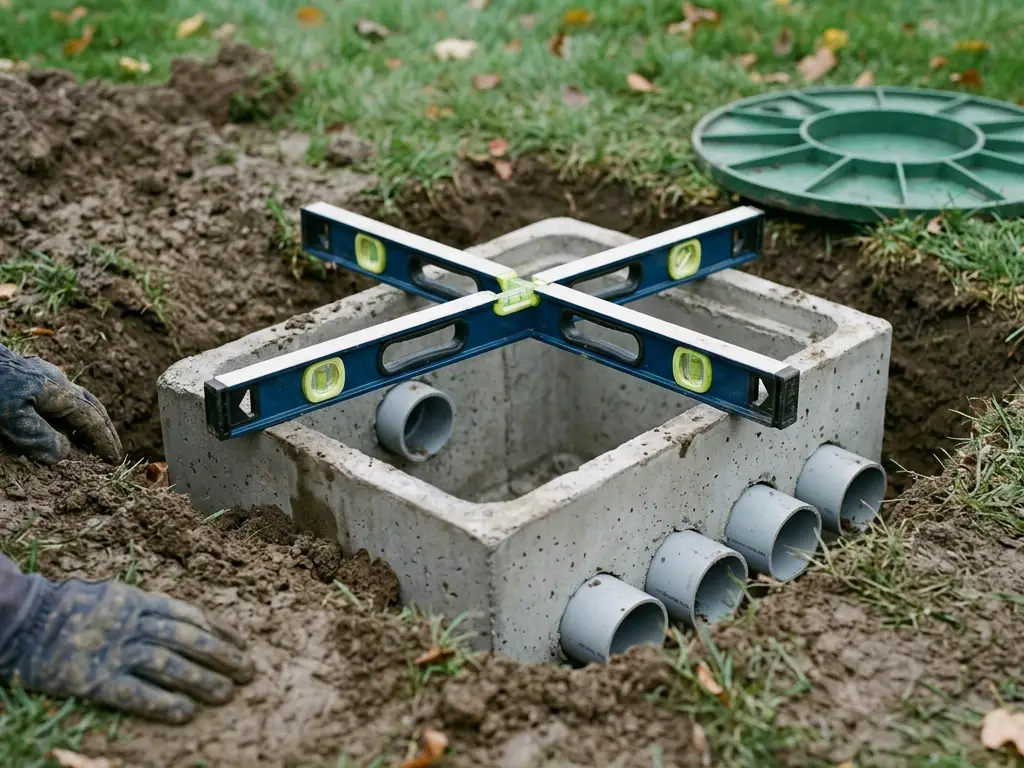
Some fields fail for a reason outside the trenches: a crushed pipe, a tilted box, a downspout aimed at the field, solids through a broken baffle. Fix the cause, rest the field and it may recover. That is leach field repair, the first conversation to have.
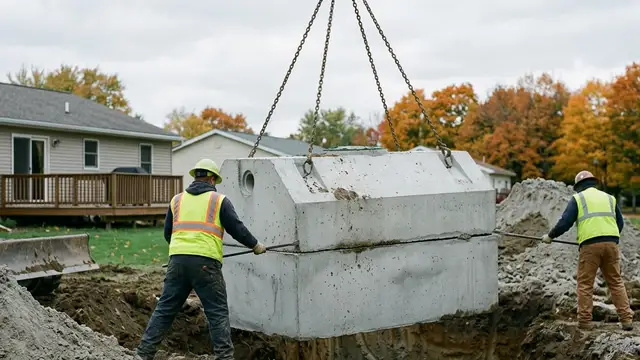
A field sitting in groundwater or sealed by biomat does not come back. The state health department's fact sheet on design professionals says an in-kind repair may not need a licensed engineer or architect, but relocating or extending a field, building a new one in the same place, or any raised or mound system does.
Where the soil cannot give two feet above groundwater, the new field goes up onto fill as a raised or mound system. See leach field replacement for how a new field is planned.
What Field Repair and Replacement Cost
Field work is where septic prices jump. Typical ranges, not quotes:
| Job | Typical range | Where it comes from |
|---|---|---|
| Repairing a field that can still be saved | $1,000 to $5,000 | HomeGuide, 2026 |
| Partial field repair, Central New York | $3,500 to $9,000 | Backwell's repair page |
| Conventional field replacement | $8,000 to $15,000 | Backwell's 2026 cost guide |
| Raised or mound system | $15,000 to $25,000 | Backwell's 2026 cost guide |
The repair rows overlap because repair covers anything from leveling a box to rebuilding part of a field. Backwell, a Syracuse excavation company, is a price source only and is not linked. The Syracuse septic cost guide has every other job.
Wet ground over the field, or drains that slow again soon after a pump-out? Describe what the yard is doing and ask whether the field can be repaired before anyone prices a replacement.
Call (315) 922-5458
Call (315) 922-5458If the signs point at the field, start with an assessment for leach field repair before replacement is on the table. If the field cannot be saved, leach field replacement covers the design, permit and soil steps. Either way, ask for a written price before work starts.
Sources
- EPA, Frequent Questions on Septic Systems: the drainfield failure signs, soft ground without rain, and biomat problems after 25 to 30 years
- EPA, How Septic Systems Work: the field as unsaturated soil, and how an overloaded field floods or backs up
- NYSDOH, 10 NYCRR Appendix 75-A, Wastewater Treatment Standards: Residential Onsite Systems (PDF): two feet above groundwater, four feet of useable soil, and drainage kept out of the system
- NYSDOH Fact Sheet, Need for Licensed Design Professionals (hosted by Onondaga County): when a field repair or replacement needs a licensed engineer or architect
- USDA NRCS, Web Soil Survey: the septic absorption field rating for any lot
Need septic work in the Syracuse area?
Hire licensed, insured local contractors, and ask for a written price before any digging starts.